GuidesGlobal
Before buying a used EV, try the charging
A battery range estimate cannot tell you whether the cables, charging features and connected accounts are ready for a new owner.
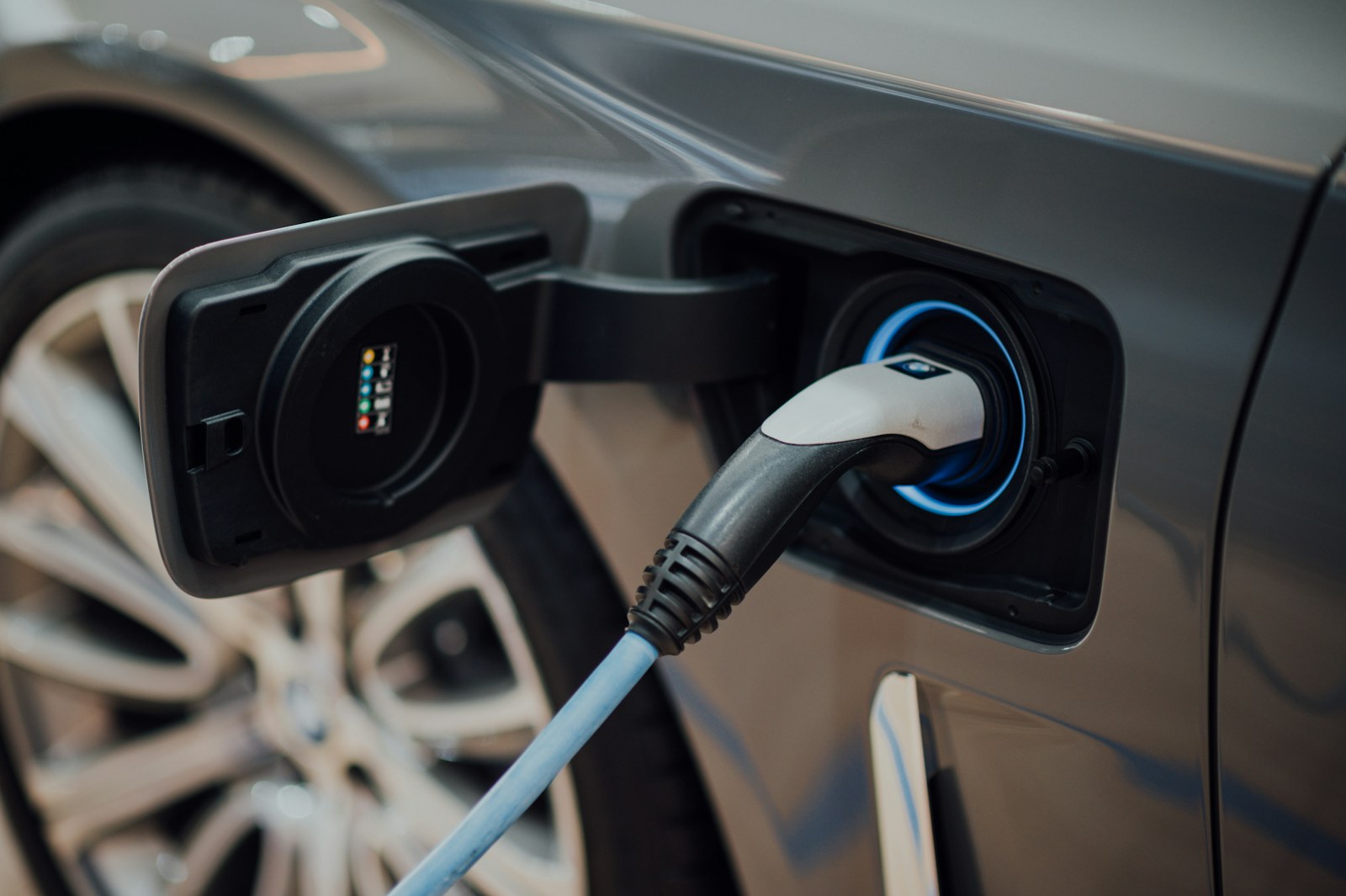
A used EV listing can tell you a great deal about the wheels and upholstery and surprisingly little about charging. Before agreeing a price, establish what the exact car can do, what comes with it and what still needs to be transferred from the previous owner.
The model year and version matter. Charging equipment and software can differ between cars carrying the same model name, and imported vehicles may have a different connection from locally sold examples.
The socket and the cable
Identify the inlet, then look up the car’s separate AC and DC charging capabilities. The peak fast-charging figure says little about the speed available from a home wallbox. Some older cars also lack the DC capability a buyer might expect.
Check the networks you intend to use. In North America, that may mean confirming CCS1 or NACS support and any manufacturer-approved adapter. In Europe and the UK, older Type 1 or CHAdeMO cars need particular care when planning around today’s public network.
Get the included leads and accessories listed on the sales paperwork. Check their condition and ask for a normal charging demonstration where practical. A cable in the boot is not much reassurance if nobody can show that it works with the car.
Battery evidence, rather than a dashboard guess
The displayed range reflects more than battery condition. Recent consumption and temperature can affect it, so an optimistic figure on the forecourt is no substitute for a battery-health report.
If a report is supplied, find out who produced it, when and what its figure measures. Read the battery warranty for the actual vehicle, including age, mileage and any transfer conditions. Ask the seller to resolve a gap between the warranty wording and the claim in the advert before paying.
Handing over the digital keys
Find out which updates are installed and whether any workshop actions remain. Check the process for linking the car to a new owner’s app account, and which connected services need a paid subscription.
Automatic charging associations need attention too. The previous owner should remove their Plug & Charge contract or Autocharge registration through the relevant service. Their account should not remain attached to the car after collection.
Arrange a first charge before the handover day. That might be at home, work or a nearby public site, but it should be somewhere you know is compatible. Collecting an unfamiliar car is much more enjoyable when the first stop is already straightforward.
Sources
Keep reading

NewsEurope1 min read
E.ON takes over four fast-charging hubs in northern Italy
The Smatrics EnBW Italia acquisition brings 64 high-power charging points into E.ON’s network along major cross-border routes.
NewsUS1 min read
Pennsylvania awards $37m for 515 charging ports around Philadelphia
The US funding round includes street-side Level 2 charging and DC fast chargers across five southeastern counties.
NewsUK1 min read
UK sets aside £100m to cut neighbourhood charging costs
The two-year funding package starts in spring 2027 and targets lower-powered public chargers near homes.