NewsEurope
Dutch truck-charging trial puts grid access and site layout in focus
An update from six monitored charging hubs highlights booking systems, clear routing and limited electricity capacity.
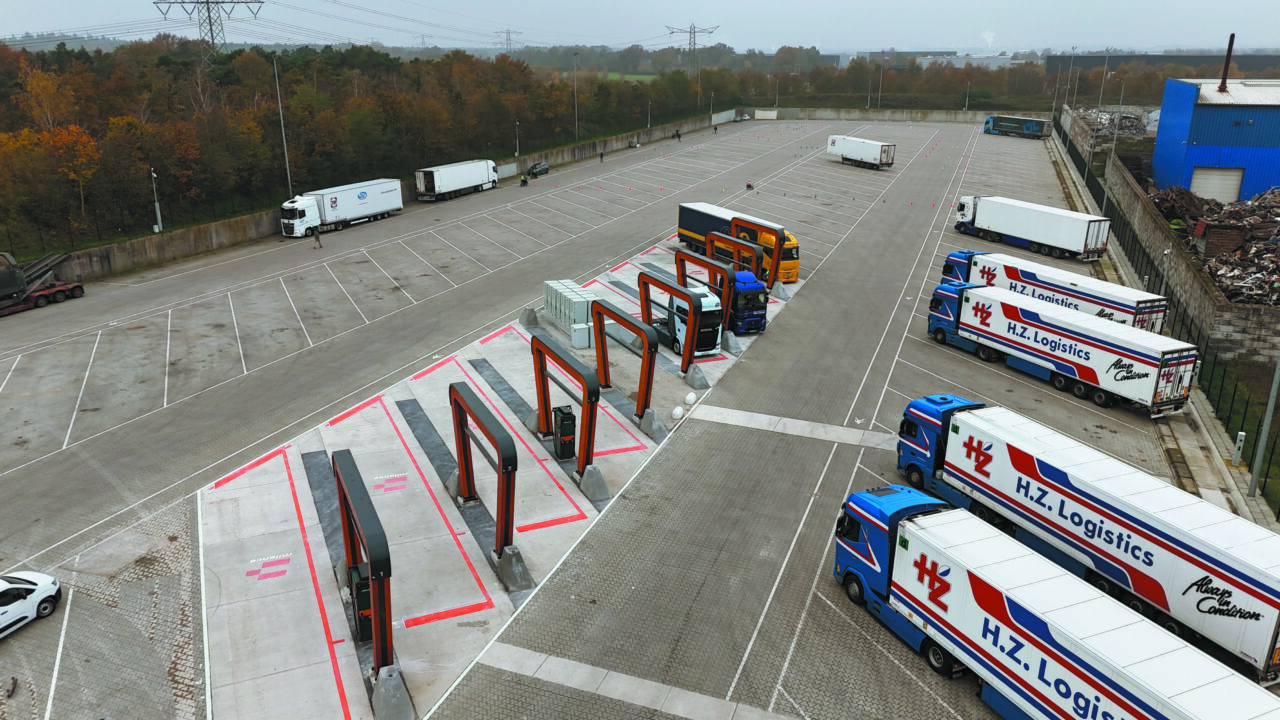
Grid connections, energy management and clear site layouts remain central to making electric-truck charging work, according to a 3 November update from six Dutch hubs monitored by Rijkswaterstaat and its partners.
The Living Lab Heavy-Duty Charging Hubs programme collects monthly data, analysed by TNO and other partners. Participants include Milence’s Venlo hub, where battery storage and charging-bay reservations have been tested.
Researchers report that trucks using current charging technology can replenish enough energy during rest breaks to continue their journeys. Efficient stops also depend on clear signs from the access road, room to manoeuvre and equipment settings that avoid unnecessary energy losses.
At Venlo, reservations have raised questions about early arrivals, late arrivals and missed bookings. Grid congestion remains a major constraint on expansion, prompting work on storage and using available power more flexibly.
The programme will stop collecting data on 31 December 2026, followed by six months to prepare its final report. The current update builds on an interim report published in September 2025.
Sources
Keep reading

NewsEurope1 min read
Elli to stop selling its own wallboxes as it shifts to charging services
Volkswagen’s charging subsidiary will sell remaining stock and focus on digital services, while promising continued support for existing owners.

NewsUS1 min read
Hyundai Ioniq 5 US sales rise 21% in October, but remain down for the year
Hyundai sold 1,981 Ioniq 5s in October. Ten-month sales reached 33,093, still 23% below the same period in 2025.

NewsGlobal1 min read
BYD passes 300,000 electric-car sales in a month for the first time
October’s record came as battery-electric models took a larger share of BYD’s sales, while plug-in hybrid volumes fell.