NewsEurope
Elli to stop selling its own wallboxes as it shifts to charging services
Volkswagen’s charging subsidiary will sell remaining stock and focus on digital services, while promising continued support for existing owners.

Elli is phasing out its own AC wallboxes as Volkswagen’s charging subsidiary concentrates on fleet services, charging payments and energy management. Chief executive Giovanni Palazzo outlined the restructuring in interviews published on 3 November.
Remaining wallbox stock will be sold, after which Elli will stop taking new orders. Palazzo told electrive that existing devices would continue to work and that customer service and maintenance would remain unchanged. In separate reporting by dpa, he also said software updates and spare parts would remain available.
The change reaches beyond home charging. Specialist partners are expected to take over the planning, construction and maintenance of physical charging infrastructure, while Elli retains digital services such as connecting chargers, managing energy and billing sessions. Implementation is due to run through the end of 2027.
Bidirectional charging remains part of Elli’s energy plans, alongside electricity tariffs and services for mixed company fleets. The company is also discussing possible outside investment or partnerships, although no agreement has been finalised. Talks with employee representatives are under way; the number of jobs affected has not been specified.
Sources
Keep reading
NewsEurope1 min read
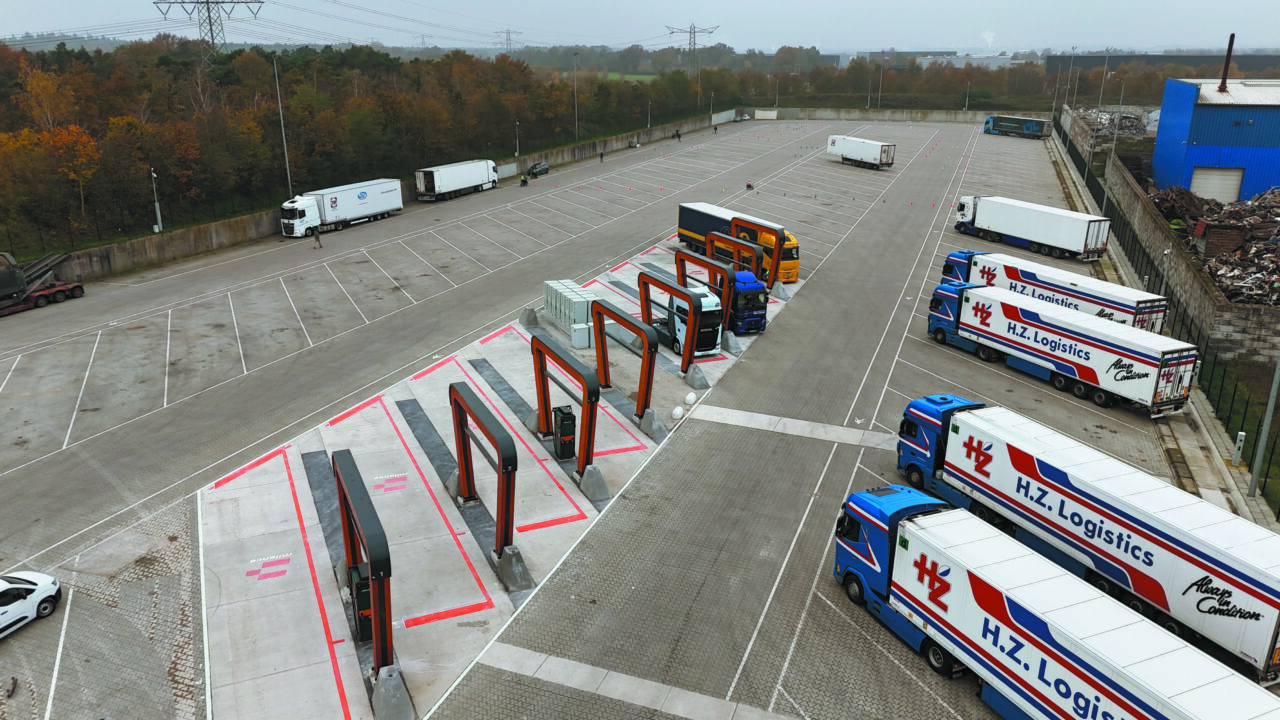
Dutch truck-charging trial puts grid access and site layout in focus
An update from six monitored charging hubs highlights booking systems, clear routing and limited electricity capacity.

NewsUS1 min read
Hyundai Ioniq 5 US sales rise 21% in October, but remain down for the year
Hyundai sold 1,981 Ioniq 5s in October. Ten-month sales reached 33,093, still 23% below the same period in 2025.

NewsGlobal1 min read
BYD passes 300,000 electric-car sales in a month for the first time
October’s record came as battery-electric models took a larger share of BYD’s sales, while plug-in hybrid volumes fell.