NewsEurope
Electric cars take a record 37% of Germany’s new-car market
October brought 94,086 battery-electric registrations, outnumbering petrol-only and diesel cars combined.
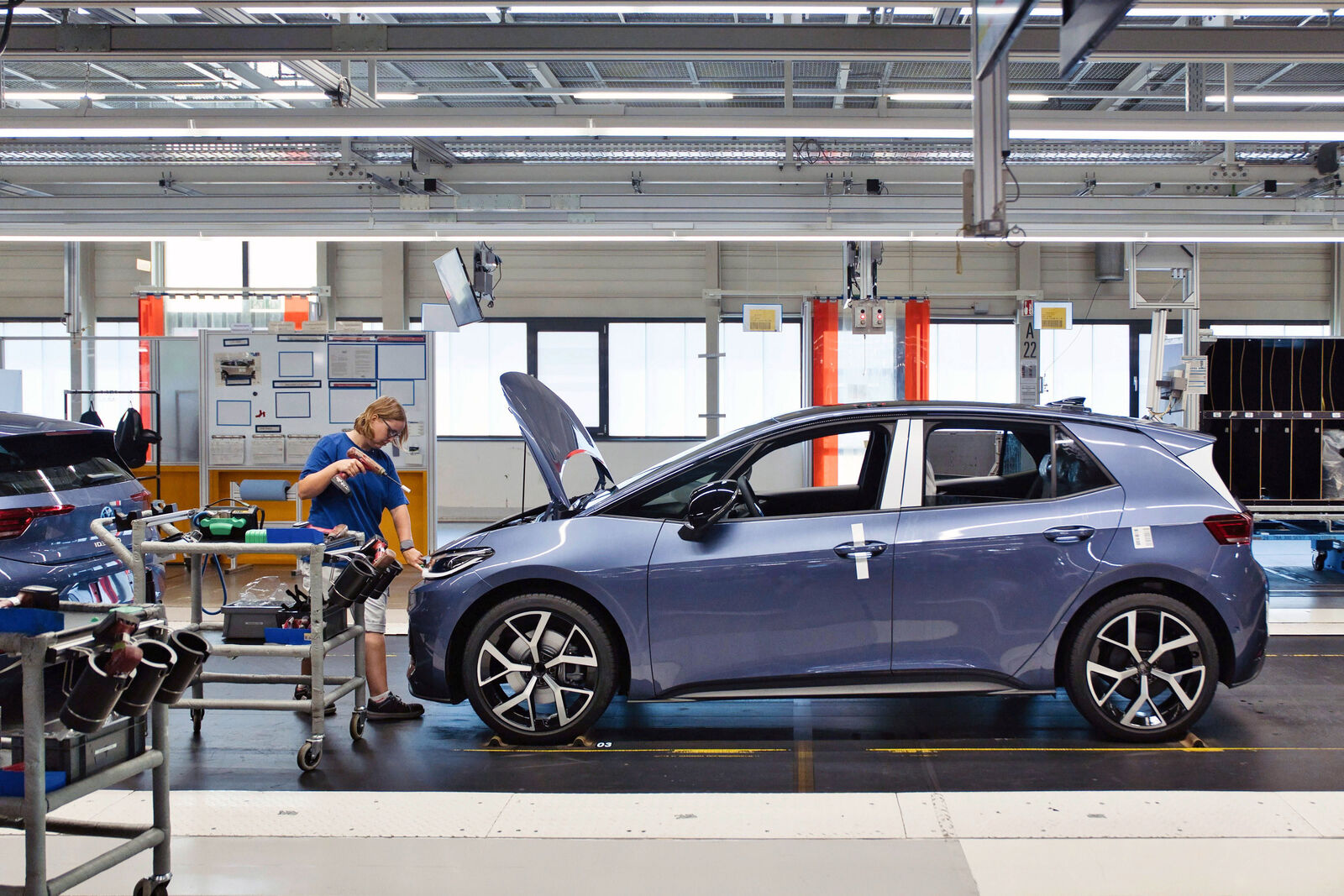
Battery-electric cars took a record 37% of Germany’s new-car market in October, with 94,086 registrations. That was 79.5% more than a year earlier, far outpacing growth in the wider market.
Germany registered 254,492 new passenger cars in total, an increase of 1.7%. Petrol-only cars accounted for 38,516 registrations and diesels for 23,882: together, substantially fewer than battery-electric models. Conventional hybrids were counted separately, as were plug-in hybrids.
The plug-in hybrid market moved in the opposite direction. Registrations fell 7.9% to 28,499, giving those cars an 11.2% share. Adding them to battery-electric cars puts vehicles with a charging socket at 48.2% of October registrations.
The shift extends beyond a single month. From January to October, Germany registered 698,230 battery-electric cars, up 60.7% on the same period in 2025. They represented 28.2% of the 2.48 million new passenger cars registered over those ten months.
VDIK, the association representing international manufacturers, calculates that its international-brand grouping supplied half of October’s battery-electric registrations. The figures describe Germany’s new-car market; they do not mean that 37% of cars already on German roads are electric.
Sources
Keep reading
NewsUK1 min read
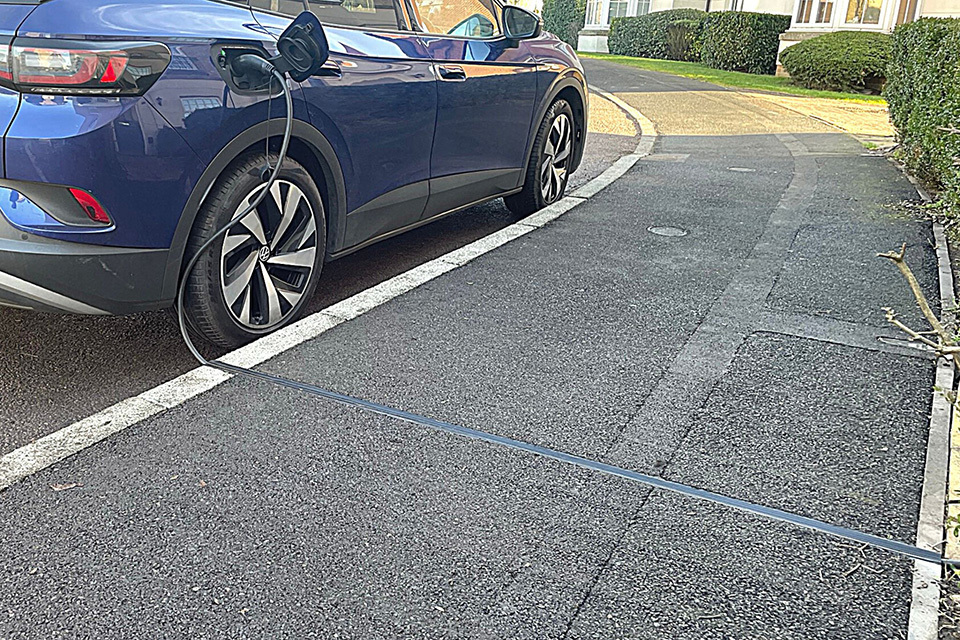
England updates pavement-charging guidance after planning changes
The revised advice explains the route to home charging without a driveway, while retaining highway approvals and local safeguards.

NewsEurope1 min read
Oreve plans 12 more French truck-charging sites with ABB
Around 100 charging points and 18 MW of installed capacity are planned by the end of 2028, with megawatt charging to follow.
NewsEurope1 min read
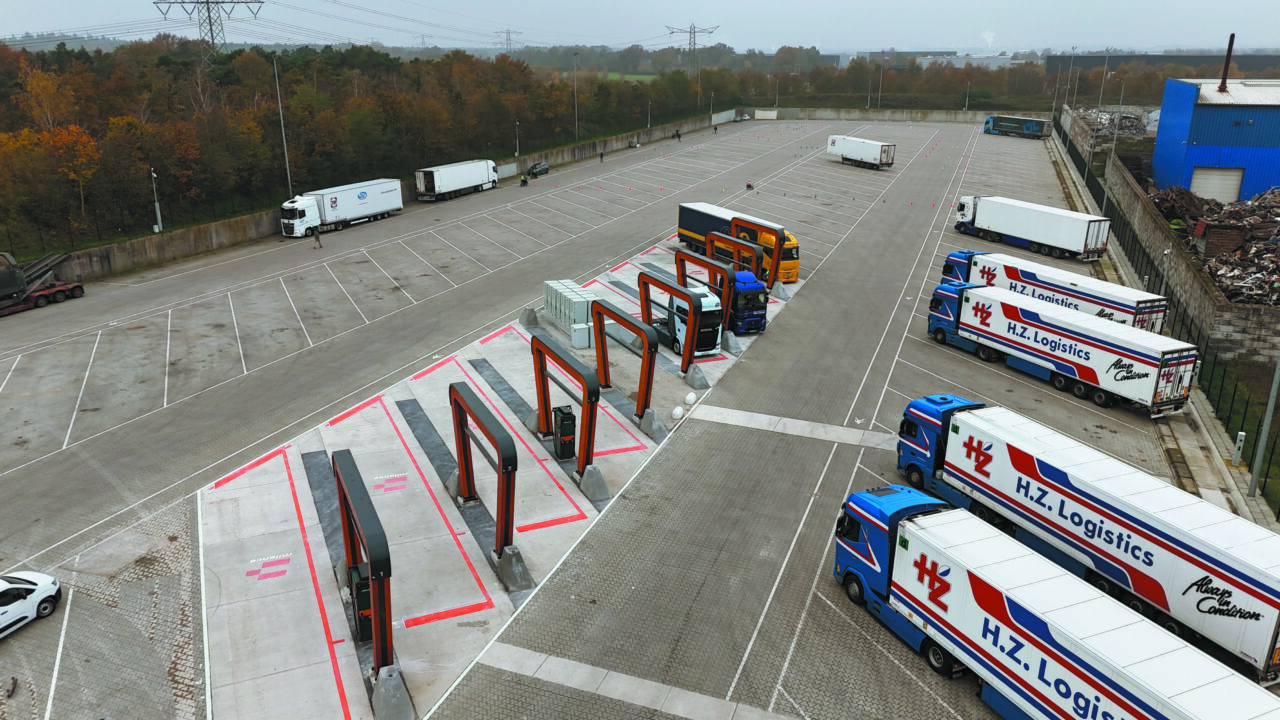
Dutch truck-charging trial puts grid access and site layout in focus
An update from six monitored charging hubs highlights booking systems, clear routing and limited electricity capacity.